Make clear aligner care a coordinated part of everyday practice.
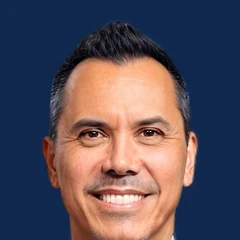
Aligner Integration helps practice owners and their teams build the habits that let patients understand their orthodontic findings and their options: shared purpose, clear roles, better records, and calm, honest consultations. Led by Sheldon Krancher.
A 60 minute video call with Sheldon to talk through where your practice is today.
Since 1995in dental education and the clear aligner industry
US, UK and Europeexperience with practices, providers, and groups
Brand neutralthe method works with any aligner system
Most practices already have the scanner and the interest. The gap is in how the team works together.
Findings that never reach the patient
Orthodontic issues are noticed in the chair, then lost between the hygienist, the doctor, and the front desk. The patient leaves without a clear picture of what was found or why it matters.
A team that does not want to "sell"
Many team members are uncomfortable talking about treatment because it feels like selling. The work is education, not selling, and every role has a part in it.
Records that do not tell the story
Scans and photos are taken inconsistently or not shown to the patient at all, so the conversation relies on words alone.
Consultations that stall without follow up
Interested patients say "not now" and nothing happens next. Without a follow up rhythm and simple tracking, nobody can see where patients drop off.
Four connected areas, worked on together
Aligner integration is not a single script or a new piece of equipment. It is four parts of practice that have to line up.
-
Practice fundamentals
A shared purpose, a common vocabulary, and agreed standards for records and intake, so orthodontic findings are part of routine care.
-
Team dynamics
Clear roles from first phone call to treatment coordinator, so every person knows how they help the patient understand and decide.
-
Patient centricity
Showing patients their own records and explaining the problem, the consequence of waiting, and the options, in plain language.
-
The consultation conversation
Transparent discussion of investment and payment options, respectful handling of questions, and consistent follow up.
Patients do not need to be sold. They need to see, understand, and decide.
It starts with a conversation about your practice
Every engagement begins with a consultation call. Sheldon learns how your team works today, where patients tend to stall, and what you want to change. From there he recommends a practical next step for your practice.
Single practices and multi location groups
An individual practice usually needs its own team aligned around one way of working. Groups and DSOs also need that way of working to hold steady across locations, providers, and new hires.
Sheldon Krancher
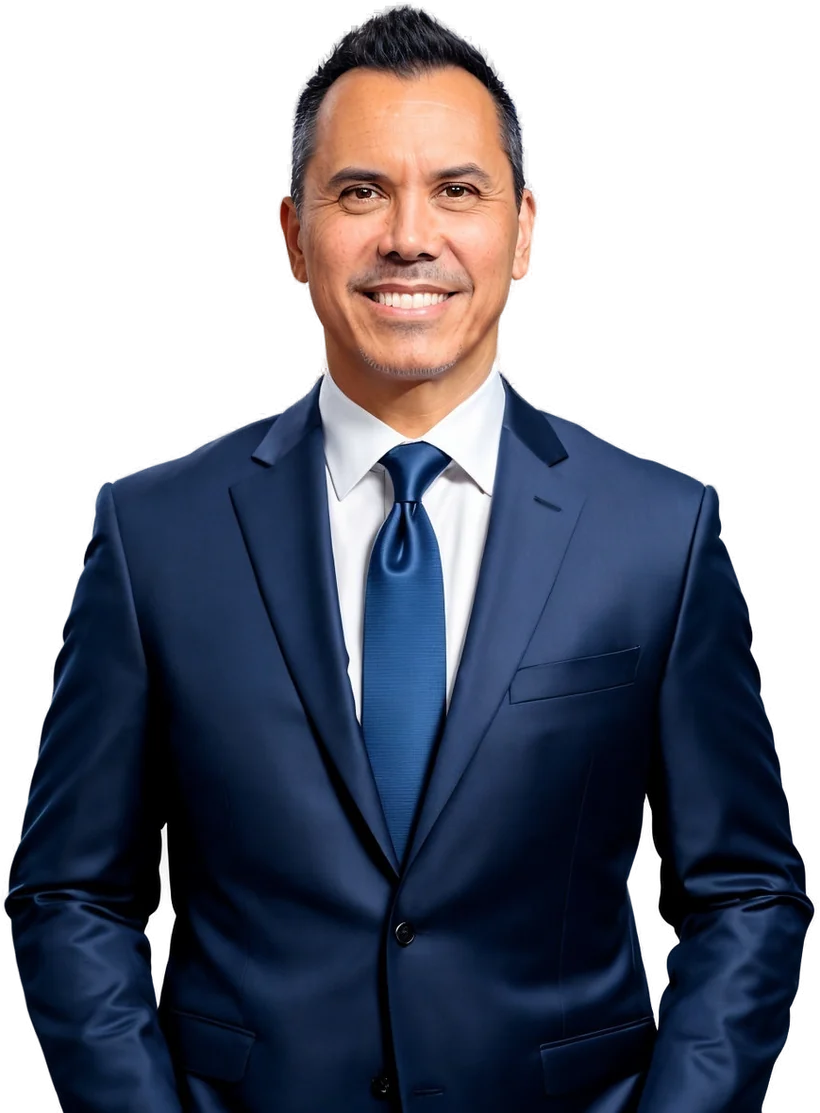
Sheldon has worked in dental education and the clear aligner industry since 1995, starting in continuing education and later working with aligner companies and providers in the United States, the United Kingdom, and Europe. He teaches practice teams how to make aligner care part of everyday practice.
You're not selling. You don't have to sell to the patient. You have to educate them.
Sheldon Krancher, on the role of the clinical team
Is this training my team to sell?
No. The focus is education: helping patients see and understand their own findings and options. Clinical team members educate; the doctor makes the clinical recommendation; the treatment coordinator walks through the details.
Who decides whether a patient is a candidate?
The treating doctor, always. Aligner Integration works on team process and communication. It does not provide diagnosis or clinical advice.
Is this tied to a particular aligner brand?
No. The methodology is about how your practice works, not which aligner system you use.
Who on the team should take part?
Ideally everyone who touches the patient journey: front desk, assistants, hygienists, treatment coordinators, the office manager, and the doctors.
What happens on the consultation call?
A 60 minute video call with Sheldon. You talk through how your practice handles aligner patients today and what you want to improve. If there is a fit, Sheldon recommends a next step.
Ready to talk about your practice?
Book a consultation with Sheldon, or send a short inquiry if you would rather start by email.